
The right way to Use Shopify for Industrial Work: Guidelines and Setup
Sure, Shopify is constructed particularly for industrial work, permitting enterprise homeowners to record merchandise, course of funds, and handle orders legally and securely.
Some hyperlinks are affiliate hyperlinks: we might earn a fee should you join or purchase via them, at no additional price to you.
On this web page8 sections
- 1The short answer
- 2Verifying Shopify’s Commercial Licensing and Terms
- 3Setting Up Your Commercial Storefront Step-by-Step
- 4Managing Payment Gateways and Merchant Accounts
- 5Handling Taxes and Corporate Compliance
- 6Scaling with Third-Party Integrations and Apps
- 7Which Shopify Tier Should You Pick for Commercial Work?
- 8Frequently asked
The quick reply
- Shopify is totally licensed and designed for industrial transactions, retail, and business-to-business gross sales.
- Customers should adjust to Shopify’s Acceptable Use Coverage to keep away from sudden retailer suspension.
- Organising a devoted industrial cost gateway is important for respectable bank card processing.

Sure, you may completely use Shopify for industrial work. In actual fact, the platform is designed particularly for industrial transactions, enabling companies of all sizes to promote bodily or digital items on-line legally.
Whereas Shopify is constructed for industrial use, working a enterprise on the platform requires complying with particular Phrases of Service, regional enterprise rules, and cost processing tips. Organising your on-line retailer accurately ensures you keep away from account suspension and transaction points down the highway.
Earlier than launching your model, it helps to know how Shopify’s infrastructure handles industrial actions like tax calculation, service provider accounts, and third-party integrations. For a deeper have a look at the prices concerned, learn our Shopify Review 2026: Pricing, Fees and Who It’s For.
The fast model
- Register your online business entity domestically
- Configure your regional tax settings
- Select and join a customized area
- Choose your most well-liked cost gateway
- Publish your authorized coverage pages
Verifying Shopify’s Industrial Licensing and Phrases
While you join Shopify, you enter right into a industrial service provider settlement. In contrast to private running a blog platforms that require costly upgrades to unlock industrial options, Shopify’s core code is written to help gross sales, stock administration, and bill era out of the field. Registering a proper enterprise entity is extremely advisable, as Shopify requires verifiable taxpayer identification for payout processing.
Each service provider should adjust to Shopify’s Acceptable Use Coverage. This coverage outlines prohibited objects, mental property guidelines, and moral requirements that shield the platform’s popularity. Promoting counterfeit objects, unauthorized copyrighted supplies, or sure regulated merchandise can result in fast account termination with out warning.
To make sure your online business mannequin aligns with these platform guidelines, it’s clever to evaluate your native industrial compliance necessities earlier than selecting a plan. You’ll be able to learn our detailed Shopify Review 2026: Pricing, Fees and Who It’s For to see how totally different plan tiers match up together with your meant scale of economic operations.


Setting Up Your Industrial Storefront Step-by-Step
Launching a industrial storefront includes configuring key enterprise parameters so as to settle for funds and fulfill orders legally. You could transition from a trial sandbox right into a reside, safe setting the place prospects can belief their monetary knowledge is protected.
Organising these backend parameters accurately from day one prevents cost delays and delivery errors. Comply with these important configuration steps to arrange your Shopify account for industrial transactions:
- Register your online business entity domestically. Get hold of your federal employer identification quantity or native enterprise license earlier than configuring taxes.
- Configure your regional tax settings. Shopify means that you can automate tax assortment based mostly on buyer delivery addresses.
- Select and join a customized area. Utilizing a customized area as an alternative of a default subdomain builds fast purchaser belief.
- Choose your most well-liked cost gateway. Activate the native processor or combine a third-party service provider account to deal with transactions.
- Publish your authorized coverage pages. Create clear delivery, refund, and privateness insurance policies utilizing the built-in authorized templates.
As soon as these steps are accomplished, your website is technically and legally geared up to deal with buyer site visitors. Taking the time to configure these particulars safeguards your enterprise from administrative penalties and cost holds.
Managing Cost Gateways and Service provider Accounts
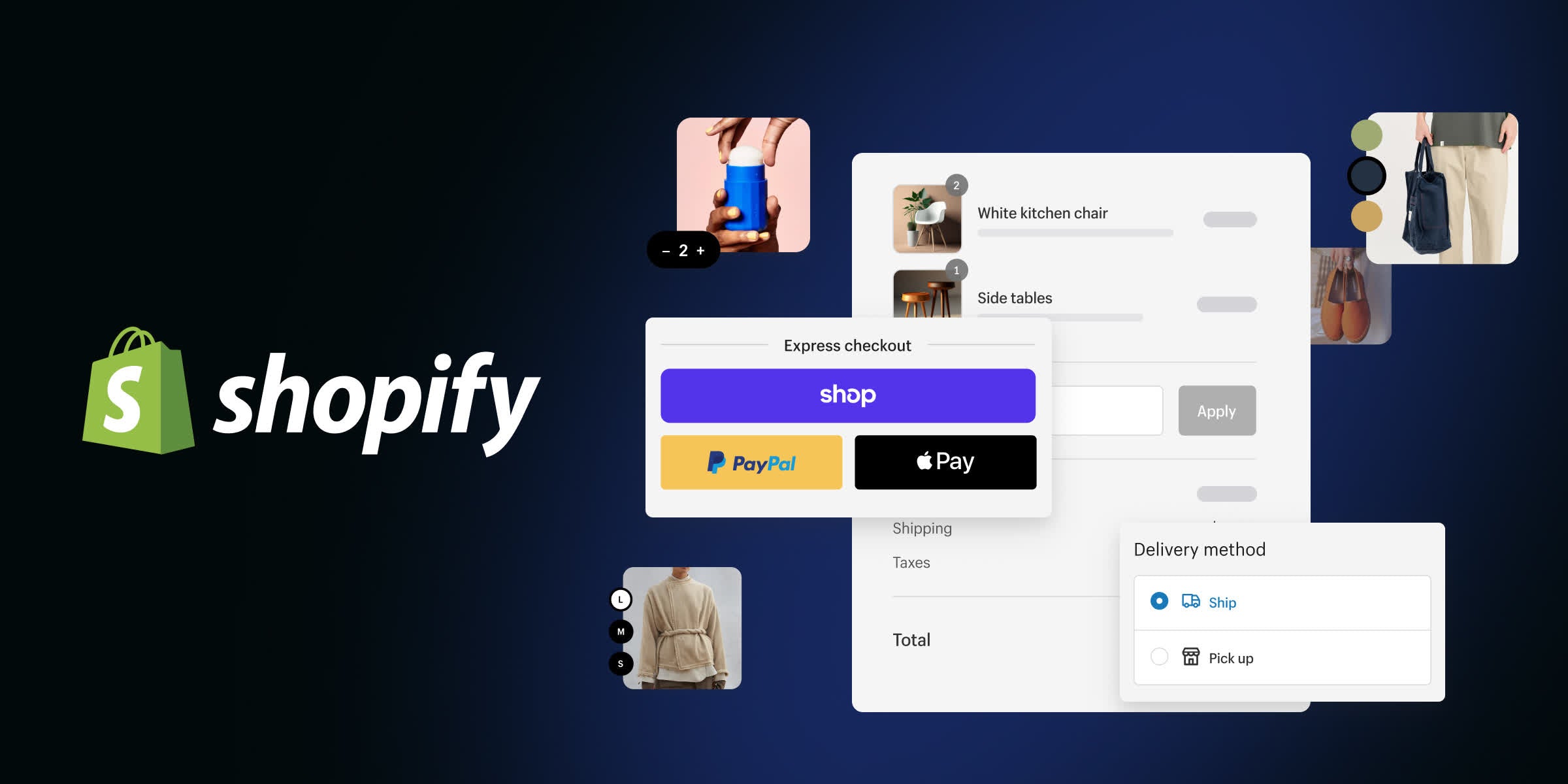
To course of bank cards, your retailer depends on a cost gateway to securely route funds from consumers to your online business checking account. Shopify provides its personal built-in processor, which simplifies setup and eliminates exterior transaction charges. Nevertheless, some retailers favor to make use of third-party processors on account of regional availability or particular business relationships.
Utilizing the native processing system requires you to supply official enterprise identification, corresponding to your tax registration quantity and banking particulars. This screening course of ensures your industrial actions are respectable and prevents monetary fraud. For those who select an exterior processor, Shopify costs a further transaction charge relying in your subscription plan.
Service provider accounts should stay in good standing to keep away from payout freezes. Excessive chargeback charges or sudden spikes in transaction quantity can set off safety audits, so holding clear documentation of your provide chain and delivery monitoring is important for industrial longevity.
Dealing with Taxes and Company Compliance
Industrial promoting brings tax obligations, and Shopify offers sturdy automation instruments to calculate regional gross sales tax. The software program detects buyer areas throughout checkout and applies the suitable state, provincial, or nationwide tax charges robotically. Having an automated gross sales tax configuration lively prevents expensive auditing errors on the finish of the fiscal yr.
Whereas the platform calculates taxes, you’re in the end accountable for submitting and remitting these collected funds to the right authorities companies. Shopify generates complete monetary stories that group tax collections by area, making quarterly or annual enterprise filings considerably simpler on your accounting crew.
For companies working internationally, Shopify additionally helps cross-border tax dealing with and customs obligation calculations. This retains your worldwide gross sales compliant with import rules, stopping surprising costs on your prospects upon supply.
Scaling with Third-Occasion Integrations and Apps
As your industrial work grows, you’ll probably want to attach your storefront to different software program instruments. Shopify incorporates a large ecosystem of native integrations and third-party apps via its official App Retailer. These apps can help you sync your stock with wholesale suppliers, run e-mail advertising and marketing campaigns, and connect with accounting platforms.
Whereas apps add worthwhile performance, including too many can decelerate your website’s loading pace and improve your month-to-month software program bills. It’s essential to judge every app’s utility and examine person evaluations to make sure they don’t battle together with your present theme code.
Holding your industrial stack lean and environment friendly ensures a easy purchasing expertise on your consumers. For a breakdown of how app prices and platform subscription charges affect your revenue margins, seek the advice of our complete Shopify Review 2026: Pricing, Fees and Who It’s For.

Which Shopify Tier Ought to You Choose for Industrial Work?
Selecting the best plan is dependent upon your present transaction quantity and the complexity of your online business. A fundamental plan works finest for solo entrepreneurs who’re simply launching their first on-line storefront and solely want elementary stock and delivery instruments. This entry-level choice retains overhead low whereas supplying you with full industrial promoting capabilities.
Rising mid-sized companies with larger month-to-month gross sales figures ought to go for the usual plan tiers. These tiers provide deeper skilled reporting, decrease bank card processing charges, and extra workers accounts, that are important when delegating administrative duties to crew members.
Giant-scale enterprise operations require the highest-tier devoted choices, which supply superior customization, headless commerce API entry, and the bottom transaction charges out there. Matching your retailer’s tier to your present gross sales velocity ensures you don’t overpay for unused options whereas sustaining the efficiency you want.


As an Amazon Affiliate I earn from qualifying purchases. This doesn’t have an effect on the value you pay. Affiliate disclosure