
Is Shopify Value Paying For in 2026? What to Think about
An in-depth information to deciding if Shopify’s all-in-one e-commerce dashboard, built-in stock instruments, and managed internet hosting justify the month-to-month subscription payment.
Some hyperlinks are affiliate hyperlinks: we could earn a fee should you enroll or purchase by them, at no additional price to you.
On this web page8 sections
- 1The short answer
- 2Navigating the Shopify Admin Dashboard and Core Store Setup
- 3Evaluating the Cost of Native Checkout and Transaction Fees
- 4Step-by-Step Store Launch and Theme Customization
- 5Managing Your Store via the Mobile App Ecosystem
- 6Comparing Platform Models: Hosted SaaS vs Self-Hosted Systems
- 7Which Platform Model Should You Pick for Your Store?
- 8Frequently asked
The quick reply
- All-in-one internet hosting and PCI compliance save vital technical overhead for on-line retailers.
- Utilizing the native fee gateway avoids paying further platform transaction charges on gross sales.
- Self-hosted options supply extra deep customization however require energetic internet developer help.

Shopify is price paying for in 2026 in order for you an all-in-one platform that handles internet hosting, checkout safety, and stock syncing with out requiring customized coding. For companies that solely want a fundamental touchdown web page or need full management over their server infrastructure, cheaper self-hosted options could make extra sense. When you find yourself operating a retail enterprise, technical overhead can rapidly eat into your every day productiveness. Customary site-building choices usually require you to manually join varied instruments, which will increase the chance of a damaged fee gateway throughout a peak purchasing interval. Paying a premium for a managed service shifts the duty of server velocity, software program updates, and fee safety to the platform. This allows you to spend your hours designing product strains and executing advertising methods as an alternative of troubleshooting backend database errors.
Navigating the Shopify Admin Dashboard and Core Retailer Setup
Whenever you first log in, the central hub shows your gross sales channels, analytics, and setup guidelines. This format streamlines the preliminary configuration, permitting you so as to add merchandise and select themes from a single sidebar. It removes the technical burden of managing databases or configuring servers manually. The onboarding course of guides you thru important settings like tax charges, delivery zones, and regional currencies. As an alternative of writing customized scripts, you fill out standardized fields that robotically calculate values at checkout. This structural strategy minimizes errors that would disrupt buyer transactions. Managing your product catalog from the stock display entails easy information entry or bulk CSV uploads. You’ll be able to assign tags, collections, and vendor particulars to arrange your digital storefront effectively. This foundational database drives your complete retailer, feeding straight into search filters and navigation menus.

Evaluating the Value of Native Checkout and Transaction Charges
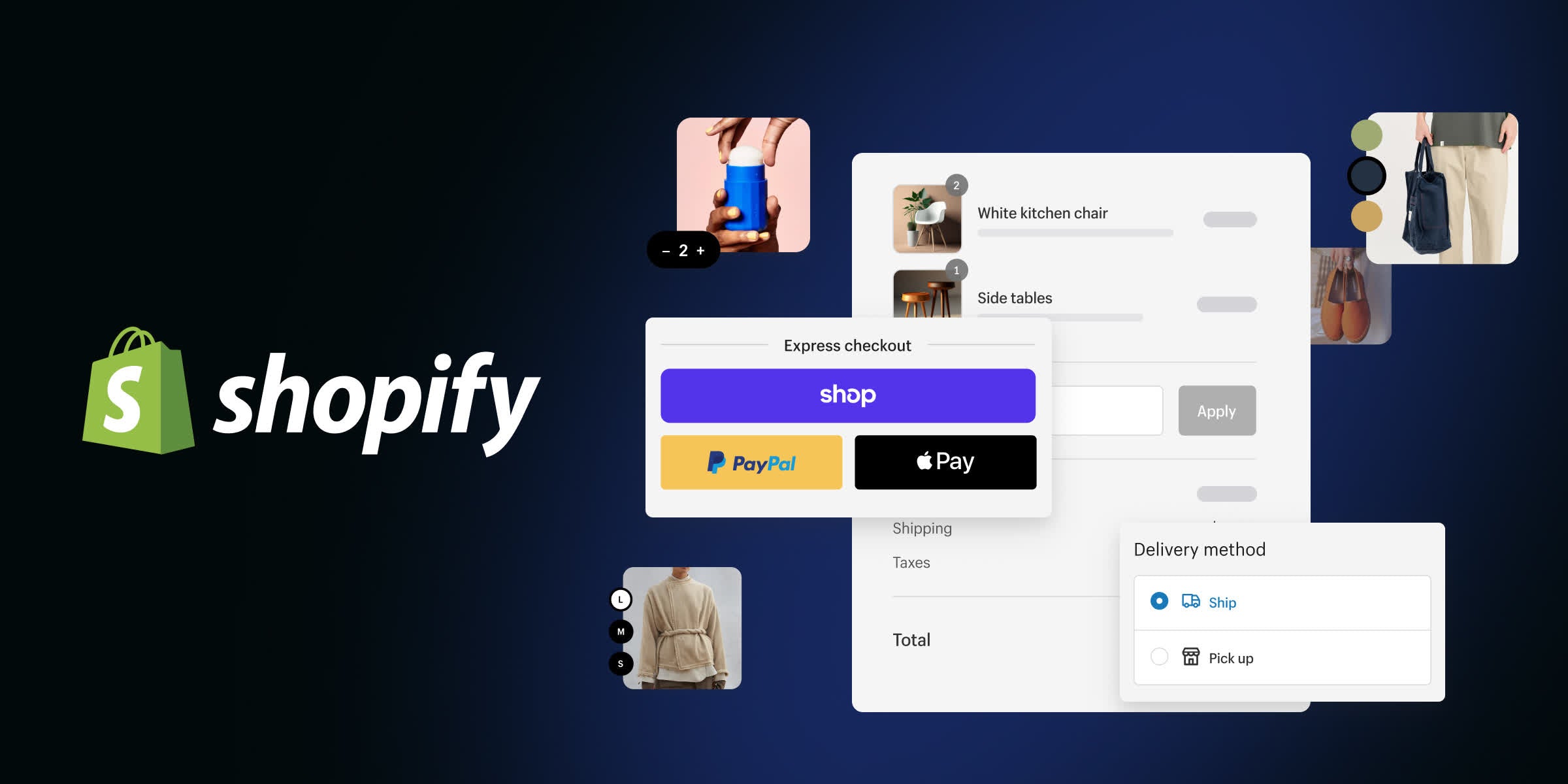
Choosing the proper fee processor straight impacts your month-to-month working margins on Shopify. The platform contains its personal built-in fee gateway, which waives further transaction charges that happen when utilizing third-party options. This workflow encourages retailers to remain inside the native ecosystem. Should you determine to attach an exterior service provider account, the platform applies a percentage-based payment on each sale. This extra overhead can rapidly accumulate for high-volume shops, making the platform much less cost-effective until you depend on particular banking relationships. We look at these trade-offs carefully in our Shopify Review 2026: Pricing, Fees and Who It’s For information. Safety requirements are dealt with totally by the supplier, that means you would not have to buy separate SSL certificates or preserve PCI compliance. This built-in safety reduces the hidden prices of operating a digital storefront. It ensures that your buyer information stays safe with out requiring handbook intervention or developer hires.
Step-by-Step Retailer Launch and Theme Customization
When organising your digital storefront, you’ll navigate by a collection of sequential menus designed to transition your model from a clean template to an energetic enterprise. The net editor simplifies this course of by organizing crucial launch duties into logical milestones. Following these structured steps will make sure that your checkout pipeline is safe and purposeful earlier than your first buyer arrives. 1. Choose a base theme from {the marketplace}. The net retailer editor enables you to select between free and premium templates that dictate your visible format.n2. Customise your homepage sections utilizing the drag-and-drop editor. You’ll be able to rearrange blocks, add promotional banners, and edit textual content with out touching any HTML or CSS information.n3. Outline your main navigation menus. Creating clear hyperlinks in your collections, contact web page, and delivery insurance policies ensures guests can simply discover your catalog.n4. Configure your customized area settings. Connecting a customized internet deal with replaces the default subdomain and establishes model credibility earlier than you launch.n5. Run a check transaction in developer mode. Simulating a purchase order verifies that your checkout stream, notifications, and stock updates are functioning appropriately. Finishing these important configuration steps establishes a safe basis in your e-commerce operations. By taking the time to totally confirm every setting within the admin dashboard, you get rid of frequent bugs that may in any other case forestall profitable buyer conversions. As soon as these milestones are full, your storefront will likely be absolutely ready to deal with stay orders.
Managing Your Retailer by way of the Cell App Ecosystem
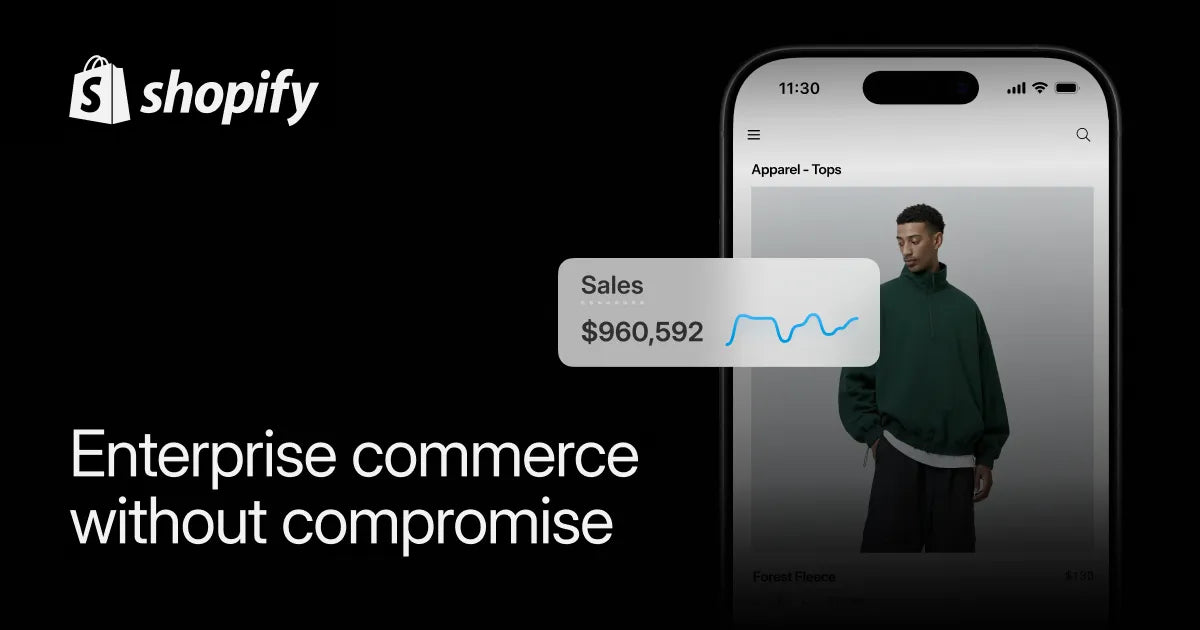
For operators who handle enterprise duties on the transfer, the cellular utility gives a real-time stream of gross sales information and order success queues. You’ll be able to print delivery labels, replace inventory counts, and message clients straight out of your smartphone. This retains your retailer energetic even when you’re away out of your important laptop. The cellular interface mirrors the desktop dashboard, making it simple to transition between gadgets. You’ll be able to take product photographs, add them on to a list, and write descriptions utilizing voice-to-text options. This streamlined cellular workflow is especially helpful for small companies managing bodily stock on retail flooring. SaaS platforms excel right here as a result of cloud syncing occurs immediately throughout all gadgets. When an merchandise sells on-line, your cellular stock replace prevents unintended overselling. Automated synchronization reduces customer support complications and helps preserve correct enterprise data robotically.
Evaluating Platform Fashions: Hosted SaaS vs Self-Hosted Programs
Selecting between a totally hosted platform and a self-hosted different is the one most necessary resolution in your long-term finances. Whereas hosted techniques present speedy infrastructure, self-hosted instruments supply most customization on the expense of technical labor. Understanding how these fashions deal with every day operations helps forestall expensive migrations later. Evaluating these distinct fashions point-by-point reveals how they deal with every day upkeep and scalability otherwise. Let’s look at how these two architectures handle crucial operational necessities for contemporary digital retailers: – Internet hosting: Shopify manages all server bandwidth and safety updates robotically, whereas self-hosted techniques require you to purchase and preserve your individual server house.n- Upkeep: Shopify handles software program upgrades and patches behind the scenes, whereas self-hosted platforms demand handbook core updates that may sometimes break energetic plugins.n- Customization: Shopify restricts deep database alterations however gives standardized APIs, whereas self-hosted setups allow you to modify each single line of code with out restriction.n- Safety: Shopify gives native checkout safety and PCI compliance, whereas self-hosted websites make you solely chargeable for securing buyer fee particulars. The choice rests on whether or not you need to handle code or run a retail enterprise. In case your staff lacks internet builders, paying a subscription payment is sort of all the time extra environment friendly than troubleshooting server crashes. Nonetheless, enterprises with extremely customized database wants usually want absolutely the management of a self-hosted codebase.

Which Platform Mannequin Ought to You Choose for Your Retailer?
Your selection ought to rely totally in your technical consolation degree and your operational scale. If you wish to launch rapidly with out managing servers, paying for a managed subscription is your greatest path ahead. This route enables you to check product concepts instantly with out investing hundreds of {dollars} in upfront growth. Conversely, should you already possess software program growth assets and need to keep away from ongoing subscription charges, a self-hosted open-source framework could fit your workflow. This strategy works effectively for companies requiring complicated, non-standard delivery logic or transitioning to headless commerce the place the frontend is totally decoupled. Finally, the comfort of pre-configured instruments should be weighed in opposition to the flexibleness of unbiased internet hosting. Earlier than committing to any platform, consider how a lot time you need to spend on website upkeep versus precise advertising. Learn our complete Shopify Review 2026: Pricing, Fees and Who It’s For to see how the platform aligns along with your finances.


As an Amazon Affiliate I earn from qualifying purchases. This doesn’t have an effect on the worth you pay. Affiliate disclosure